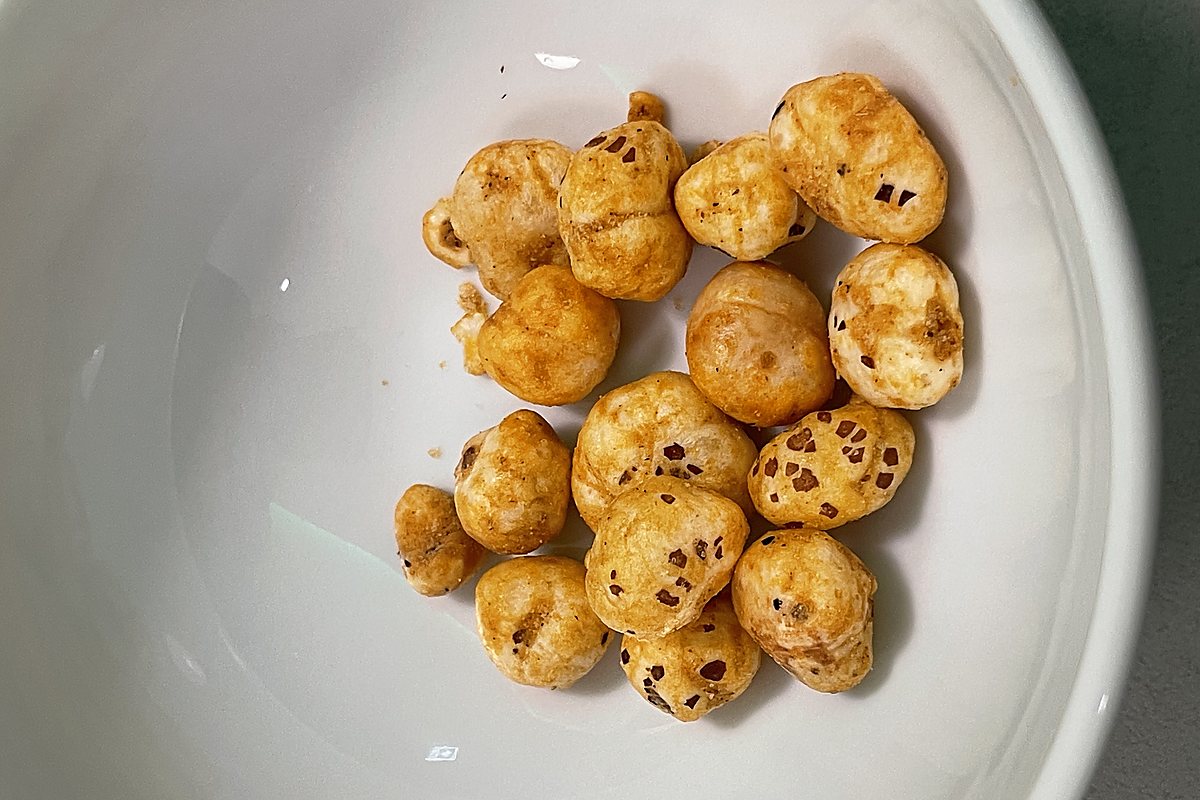
Makhana Buyer Summary
Makhana vs Dry Fruits gives a conservative nutrition and positioning explanation for makhana. The source material provides composition values, but numbers vary by raw seed, popped product, roasting, flavouring and lab method. The page avoids disease-treatment claims and treats nutrition as product information, not medical advice.
What Importers Should Know
Nutrition pages use the MSME project profile and processing write-up cautiously. Values are presented as source-reported composition references and should be replaced by lab-tested product data for final packaging or regulated claims.
Importer Buying Relevance
- use lab-verified nutrition for final labels, especially for flavoured or roasted products.
- avoid disease-treatment claims in advertising and packaging.
- separate plain popped makhana values from values after oil, seasoning or coating.
Detailed Buyer Guidance
Nutrition and wellness positioning should be handled carefully. Source-reported values are useful for education, but final labels need product-specific lab data, especially when roasting oil, seasoning, sugar, salt, flavouring or coatings are added. Plain popped makhana and a flavoured retail snack can have very different nutrition panels.
For packaging and advertising, avoid medical or disease-treatment promises. Use nutrition values as product information, align claims with local rules and keep supporting lab reports available for the actual product being sold.
Specification Notes
- Product form: raw seed, popped makhana, roasted snack, flavoured pack, flour, powder or ingredient.
- Grade and size: Suta reference plus millimetre range where relevant.
- Quality tolerance: moisture, colour, broken percentage, foreign matter and lot consistency.
- Packing: bulk carton, inner liner, retail pack, private-label pack or buyer-specific format.
- Trade details: quantity, destination, Incoterm, inspection need and target shipment window.
- Nutrition: use product-specific lab data for final labels and claims.
Practical Reference Table
| Point | What to check | Buyer relevance |
|---|---|---|
| Energy | Source-reported values are around 350-358 kcal per 100 g | Use lab values for final labels |
| Protein | Sources report roughly 8.7-9.7 g per 100 g for popped/product references | Use only where the label and local claims rules support it |
| Carbohydrate | Sources place popped makhana as carbohydrate-rich | Important for snack positioning |
| Fat | Plain popped makhana is reported low in fat | Roasting medium and seasonings can change this |
Procurement Questions
- What exact product form and grade is being quoted?
- Does the sample represent the shipment lot or only a reference sample?
- Which quality parameters will be written into the offer?
- What packing configuration protects the product during transit and storage?
- Which documents, tests and inspections are included, optional or buyer-paid?
Common Mistakes To Avoid
- Comparing offers without matching grade, size range, packing and inspection assumptions.
- Treating historical market data as a live quote.
- Accepting broad words such as premium or export quality without measurable tolerances.
- Leaving moisture, broken percentage and foreign matter out of the specification.
- Using source-reported nutrition values on a final label without product-specific lab verification.
Buyer FAQ
Can makhana be promoted with health claims?
Only cautiously and only where local regulations and lab data support the exact claim. This page does not make disease-treatment claims.
Is makhana vs dry fruits a current-price page?
No. Any price or market reference is historical or source-period specific unless a buyer requests a fresh quotation.
Can this page prove a supplier is certified?
No. Certification, factory ownership, organic status and shipment capacity must be verified for each supplier and lot.
Which source should be trusted if numbers differ?
Prefer official or institutional sources first, preserve the reporting period and explain conflicts instead of hiding them.
What should a buyer do next?
Send a specification-led RFQ with product form, grade, quantity, destination, packaging and testing requirements.